
When You Close the Valve… but Flow Continues
A practical case from Baden-Württemberg, Germany — where an AQ Flow sensor revealed persistent flow on a DN100 section after the valve was confirmed closed. The data told a story that no one expected.
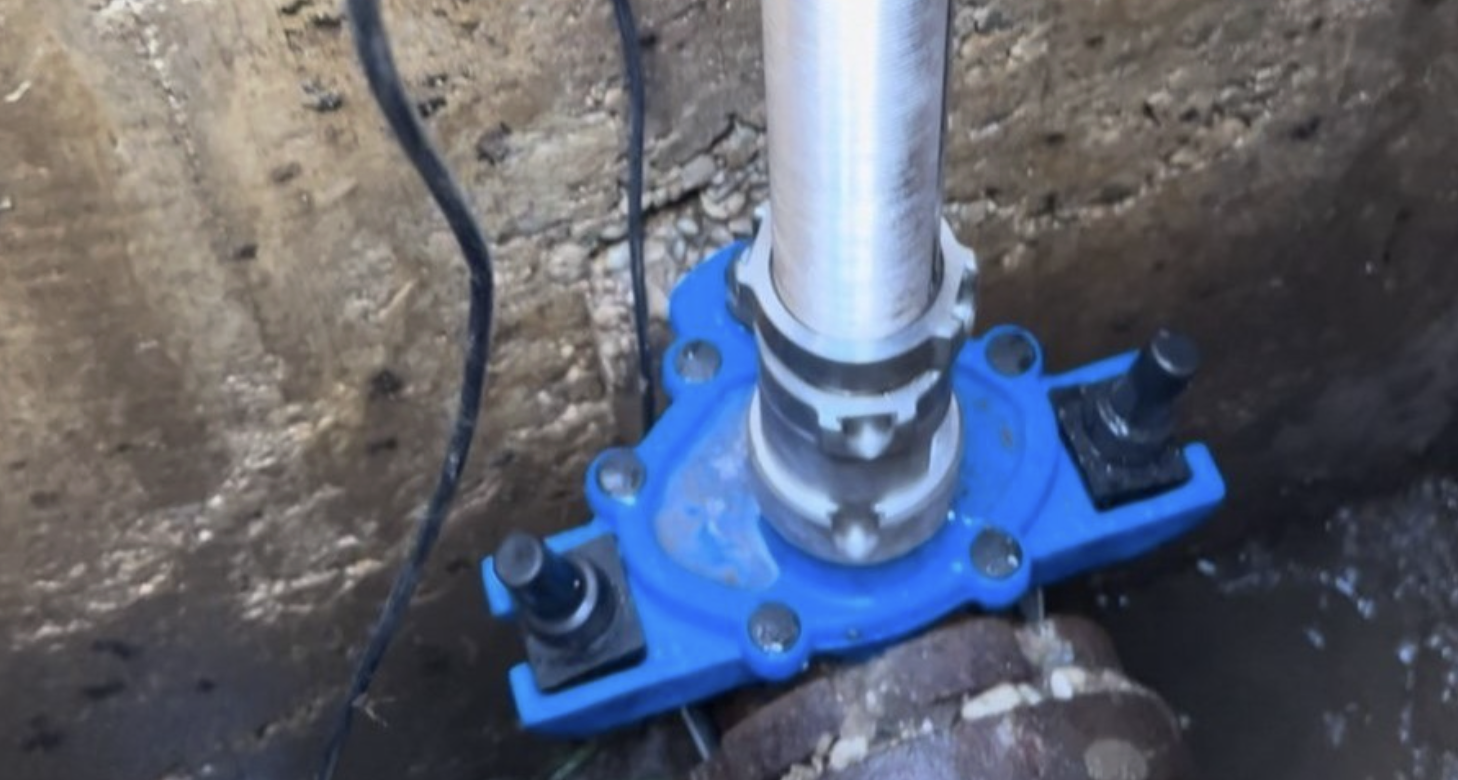
The discovery: something doesn't sit right
Installation details
- Device: AQ Flow Sensor DN100 + AQ Data Logger
- Location: Baden-Württemberg, Germany
- Platform: Fully integrated into AQ Web system
- Client: Utility with over 30 AQ loggers in operation
While reviewing field data on the AQ Web platform, looking for inspiration to develop new algorithms for defect detection, I came across something strange — a device marked as "normal," with no active flow and all values seemingly fine.
I contacted the client, and they confirmed: "Yes, we closed the valve." Case closed, right? Well… not quite.
About a week later, that feeling returned. I had to dig deeper. I decided to go back and physically locate the device — which was not easy, as the client has over 30 loggers in operation. I reviewed locations, device tags, compared timestamps and data values… and eventually found exactly the sensor I had seen earlier.
The evidence: flow never fully dropped to zero
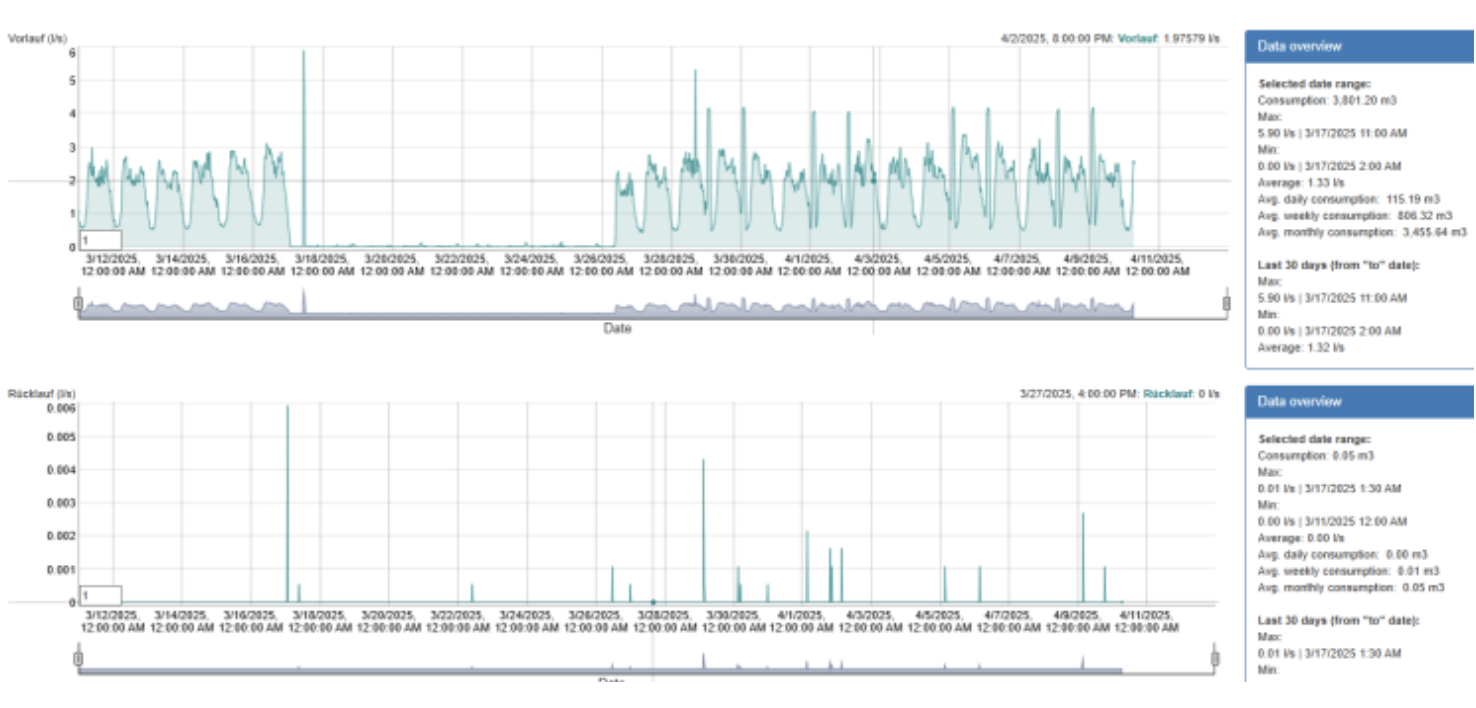
Upon reviewing the readings, small, persistent flow variations were clearly visible even after the valve was supposedly closed. Flow never fully dropped to zero.
What could cause flow after valve closure?
Leaking valve
The valve seat may not seal completely, allowing small but measurable flow to pass through.
Micro-leakage in pipe
A small crack or joint failure downstream of the valve could cause persistent water movement.
Worn-out gasket
Diffusion through a deteriorated gasket allows minimal but detectable flow to continue.
Each of these causes is small on its own — but significant when detected early. Left unchecked, any of them can develop into a larger problem over time.
Why this matters: early detection saves networks
Early detection of even the smallest issues is critical — and that's exactly what we strive for in our development team. Every client matters, and every signal could indicate something worth investigating.
Our loggers and sensors are sensitive enough to detect these minor anomalies — but the key is being able to correctly interpret the data.
What's next: automatic anomaly alerts
New AQ Web logic — coming soon
We are developing new automatic alert logic within AQ Web that will detect these scenarios:
"Valve closed — but flow detected. Possible anomaly."
How the investigation unfolded
Frequently asked questions
Detect what others miss in your water network
Talk to us about AQ Flow monitoring and automatic anomaly detection.
Request a consultation